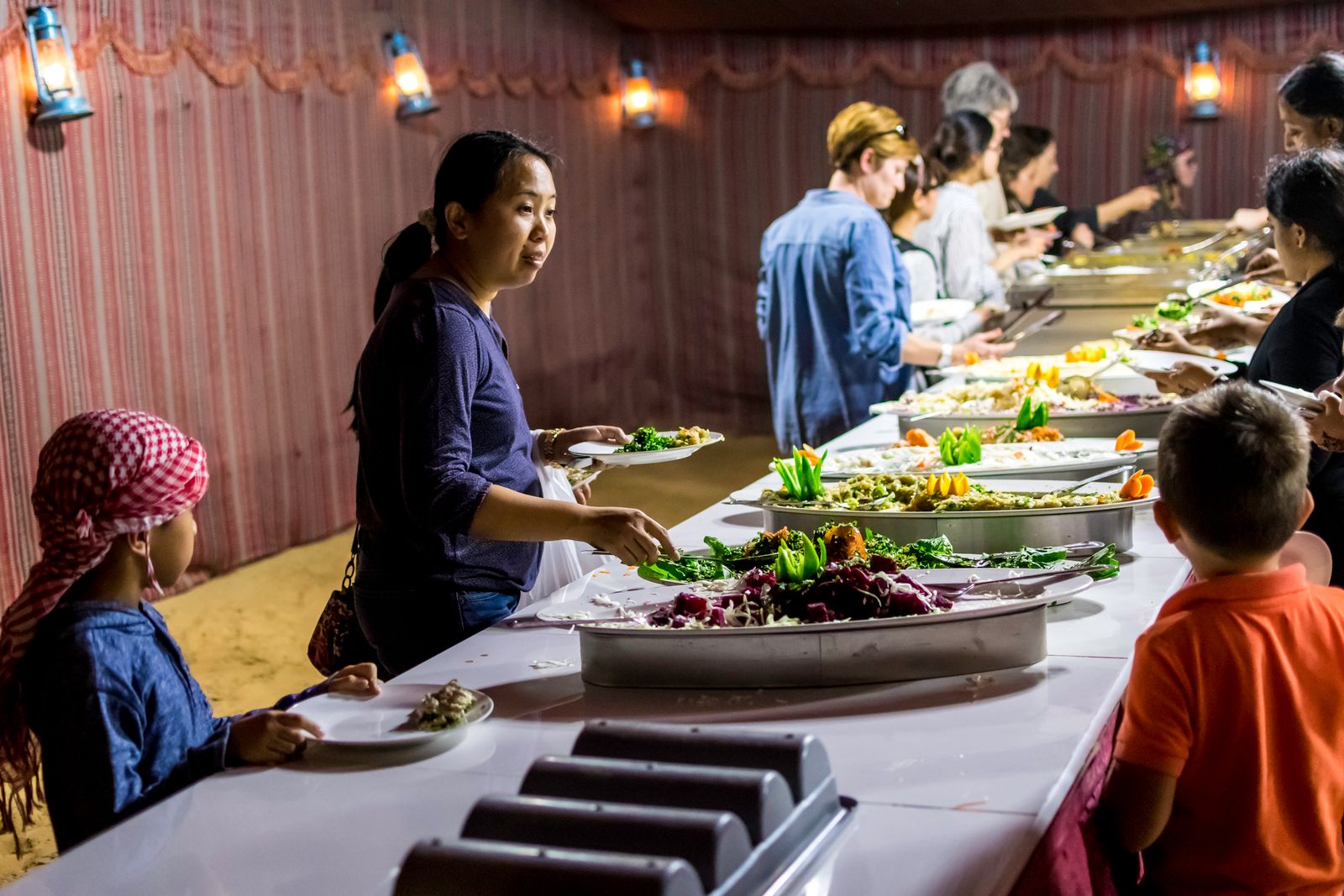
A memorable soul food reunion menu is not simply a long list of dishes. It connects family recipes and regional traditions to a practical serving plan. Choose a few dishes the family cares about, document who owns each one, protect dietary needs, and build a service system that works after relatives begin arriving.
A balanced sample menu
Start with two mains such as barbecue chicken and pulled pork, plus a substantial meatless main such as seasoned beans with rice or a vegetable-centered casserole. Add three or four sides: greens, baked macaroni and cheese, potato salad, slaw, black-eyed peas, corn, or another family favorite. Finish with cornbread or rolls, fresh fruit, and two desserts such as peach cobbler and pound cake.
Treat this as a framework, not a definition of soul food. Ask elders and family cooks which recipes carry meaning for your family and note the person, place, or story connected to them.
Make the menu scalable
Count confirmed adults and children, estimate one total cooked protein amount, then divide it across mains. Estimate sides as a combined quantity rather than ordering a full serving of every side for every guest. Use the food quantity calculator and the crowd-size guides for 50, 100, or 150 people.
Confirm pan size, cooked yield, serving utensil, delivery time, and refrigeration needs for every dish. “A pan” is not a reliable quantity until its dimensions and expected servings are known.
Respect dietary needs and family trust
Collect allergies and meal preferences during registration. Publish an ingredient summary, label each serving pan, and give every dish its own utensil. Reserve required vegetarian or allergy-aware meals before general service. Cross-contact can happen through shared grills, fryers, spoons, cutting boards, gloves, and storage containers, so a label alone is not a complete control.
Do not promise that a dish is allergen-free unless the people preparing and serving it can support that claim. When a guest has a serious allergy, communicate directly and honestly about the preparation environment.
Assign ownership and protect family recipes
Give every dish one owner and one backup. The assignment should include quantity, recipe version, budget, purchase approval, kitchen or caterer, arrival time, holding method, serving station, and cleanup responsibility. If a treasured recipe is shared, ask permission before publishing it online or using a relative's name or story.
GatherKin item assignments can show each household what it agreed to bring and let the organizer track completion without relying on a long message thread.
Serve the meal safely
Use food thermometers and small-batch replenishment. The USDA safe-temperature chart lists 160°F for ground meats, 165°F for poultry and casseroles, and 145°F plus a three-minute rest for whole cuts of beef, pork, veal, and lamb.
Keep cold dishes cold and hot dishes hot. USDA outdoor guidance limits perishable food in the 40°F–140°F danger zone to two hours, or one hour above 90°F. Mark buffet start times, replace rather than top off questionable pans, and plan refrigerated leftover storage before the meal begins.
Frequently asked questions
What belongs on a soul food reunion menu?
Choose dishes rooted in your family's own traditions, then balance two mains, a meatless main, several sides, bread, fruit, dessert, and drinks.
How many side dishes should we serve?
Three or four well-executed sides usually provide variety without multiplying purchasing, holding, labeling, and leftover problems.
How can we preserve family recipes?
Ask permission, document the cook and family story, record a scalable version, and decide whether it should remain private or be shared with the family.